


 Why Voicescape?
 Meet the Team
 Careers
 Environmental Policy



 Blogs
Blogs Whitepapers
 Events
 User Groups



Early adopters of Voicescape Agreements Manager are already reporting up to 106% more cash collected per agreement within the first three months, 3.65 automated interventions per agreement without officer intervention, and improvements in agreement sustainability. These early results highlight the impact of bringing proactive management, automation, and intelligence to one of the most overlooked and unpredictable areas of income recovery.
For many housing providers, repayment agreements represent a significant proportion of total arrears. Yet despite their importance, they remain one of the least visible and actively managed areas of income recovery.
Sector research carried out during the development of Voicescape Agreements Manager found that between 25% and 50% of arrears can be tied up in informal repayment agreements. Many organisations lack visibility of agreement performance, have limited insight into agreement risk, and rely on manual processes to monitor customer adherence. More than 90% of informal agreements break within 90 to 180 days, creating a cycle of repeat contact, administrative effort, and unrecovered debt.
Agreements Manager: A Data-Driven Approach
Agreements Manager was designed to help housing providers proactively manage repayment agreements throughout their lifecycle, rather than simply recording them in a housing management system.
Developed in response to the widespread lack of visibility, oversight and support around repayment agreements, the solution establishes a 100% reliable system of record for agreements where HMSs have previously failed. It combines risk prediction, agreement monitoring, automated customer engagement and decision support to help income teams maximise the performance of their agreement portfolios. Rather than relying on manual monitoring and reactive intervention, Agreements Manager continually assesses payment behaviour, identifies risk, recommends highest performing agreements, and helps teams act before agreements break down.
Early adopter organisations are already beginning to see measurable improvements in collection performance, agreement durability, operational efficiency, and management visibility.
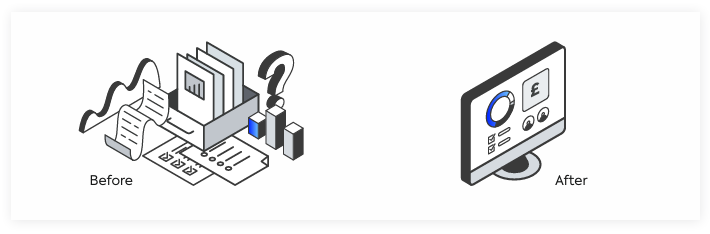
More Cash Collected From Existing Agreements
One of the clearest indicators emerging from the early adopter programme is improved collection performance. Across the early adopter programme, Agreements Manager helped landlords collect an average of £140 more per agreement within 3-6 months of deployment, with individual providers achieving up to 106% more cash collected per agreement compared with landlords not using the solution.
At 6 months of full automation deployment, one early adopter was collecting an additional £170 per agreement compared with other landlords, and £201 additional compared with pre-launch.
These improvements are being driven by stronger repayment arrangements from the outset. Early adopters reported a 12% increase in average instalment values and a 23% increase in average total agreement values, helping officers agree more meaningful repayment plans that improve recovery outcomes, while remaining sustainable for customers.
Helping Agreements Last Longer
Faster debt collection is only one important factor of successful repayment agreements – value compounds when agreements also remain sustainable for longer.
Early adopter data suggests Agreements Manager helps repayment agreements remain active for longer; For one provider, agreements were 19 percentage points more likely to remain unbroken after three months than those managed without Agreements Manager with no additional officer intervention required, helping providers create more sustainable repayment agreements and recover more debt consistently.
This is particularly significant given sector research showing that more than 90% of informal repayment agreements break down within 90 to 180 days. By identifying deteriorating agreements earlier, highlighting risk and triggering timely interventions, and providing data-driven recommendations, Agreements Manager helps housing providers act before issues escalate and create sustainable agreements.
Longer-lasting agreements reduce the need for repeated renegotiation, improve payment consistency and increase the likelihood of debt being recovered in full. Hereby, the early adopter results suggest that a more proactive approach to agreement management can improve both agreement sustainability and collection performance.
Automating Thousands of Interventions
Perhaps the most striking result is the scale of activity being managed automatically.
For one early adopter organisation, Agreements Manager identified 1,423 deteriorating agreements, detected 1,339 broken agreements, and processed 3,429 agreement status changes without officers having to manually monitor and review every agreement.
The platform subsequently automated:
- 4,661 payment schedule messages
- 6,349 late payment calls
- 5,212 late payment SMS messages
This equates to an average of 3.65 interventions per agreement, without officer effort.
By automating routine monitoring and engagement, Agreements Manager enables income teams to deploy resources more effectively, focusing on higher-risk cases and customers who need greater support. At the same time, customers benefit from consistent, timely communication that helps maintain sustainable repayment arrangements and reduces the likelihood of agreements breaking down.
Better Visibility for Income Managers
Another common challenge highlighted by early adopters is the lack of reliable management information around agreements. Agreements Manager provides near real-time visibility of agreement volumes, outstanding debt values, agreement risk profiles, break and completion rates, repayment performance and portfolio-level income risk.
As one early adopter commented:
"Knowing how many agreements we have, knowing who's making them, how many are performing well, how many are at risk of breaking… is a real step forward."
The Future of Agreement Management
The social housing sector has spent years improving arrears prioritisation and case management. The next opportunity may be managing what happens after a repayment arrangement is agreed.
Early adopter results indicate that a more proactive approach can deliver:
Most importantly, Agreements Manager transforms repayment agreements from an unpredictable and reactive area of income recovery into a proactive, intelligence-led strategy. By providing visibility of agreement performance, highlighting income risk, supporting more sustainable repayment arrangements and automating engagement at scale, it helps income teams understand the true value and impact of their agreement portfolios, make data-driven decisions, and deliver better outcomes for both landlords and customers.
Want to see Agreements Manager in action?
Click HERE to book a demo and discover how Agreements Manager could transform repayment agreement management for your team.